
The desert has a way of reclaiming her mysteries.
The vast necropolises of Egypt have been attracting the attention of treasure-hunters and scholars for centuries, so it's not uncommon for a tomb to be discovered, only to be lost again beneath the sand.
The pyramid of the little-known 13th Dynasty king Ameny Qemau (ca. 1790 B.C.) was first recorded by a 15th-century Arab historian. It then disappeared for some 500 years until early 1957 when the tomb was rediscovered by an American expedition
By now you've probably heard about the discovery of a new pyramid at Dahshur. The Ministry of Antiquities revealed its discovery by an Egyptian team in an announcement on Monday. The pyramid is south of the giant Old Kingdom "Bent Pyramid" of Sneferu at Dahshur, built some 850 years earlier.
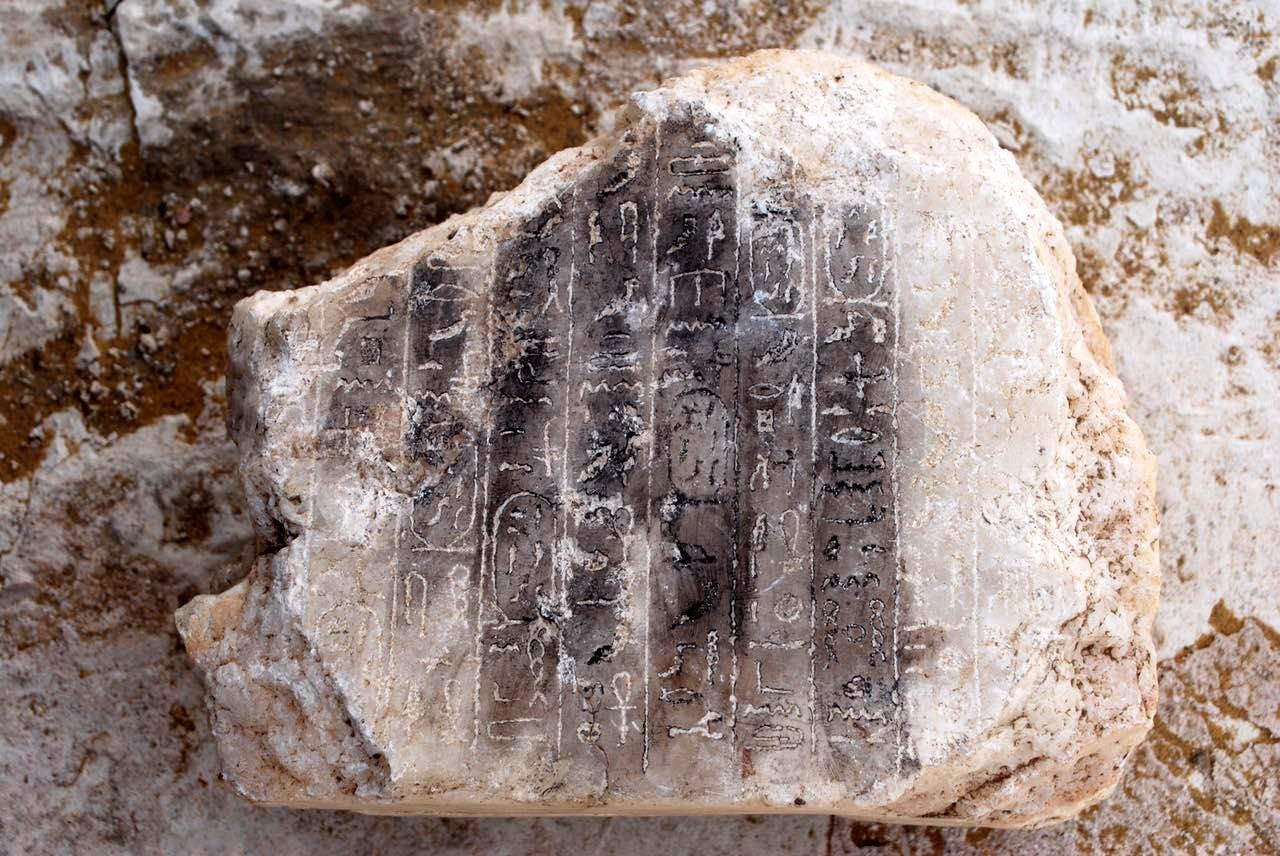
Photo: Egyptian Ministry of Antiquities
Inside the pyramid substructure was an inscribed stone block containing the name of Ameny Qemau. It remains to be seen whether this is the same 1957 pyramid, once again released from the sand, or perhaps a satellite pyramid for the ka of the king.
One thing is for sure though, the pyramid (re)discovered by the Egyptian team was certainly one of the last large pyramids to be built in Egypt. Pyramid-building was about to go out of style.
There isn't much left of Ameny Qemau's pyramid itself. The Middle Kingdom royal pyramids were deceiving; although they were built to look like they were made from solid stone, it was really a couple of layers of limestone placed over a mud-brick core. Once the limestone was pilfered over the years, the exposed mud brick has also disappeared—a victim of weathering and its handy use for building and fertilising.
Below ground is a different story. The substructure has survived pretty well, with ramps leading down to underground chambers. We hope that this (re)discovery may be able to shed some light on an ephemeral pharaoh and a confusing period of Egyptian history, where kings seemed to replace each other with alarming regularity.
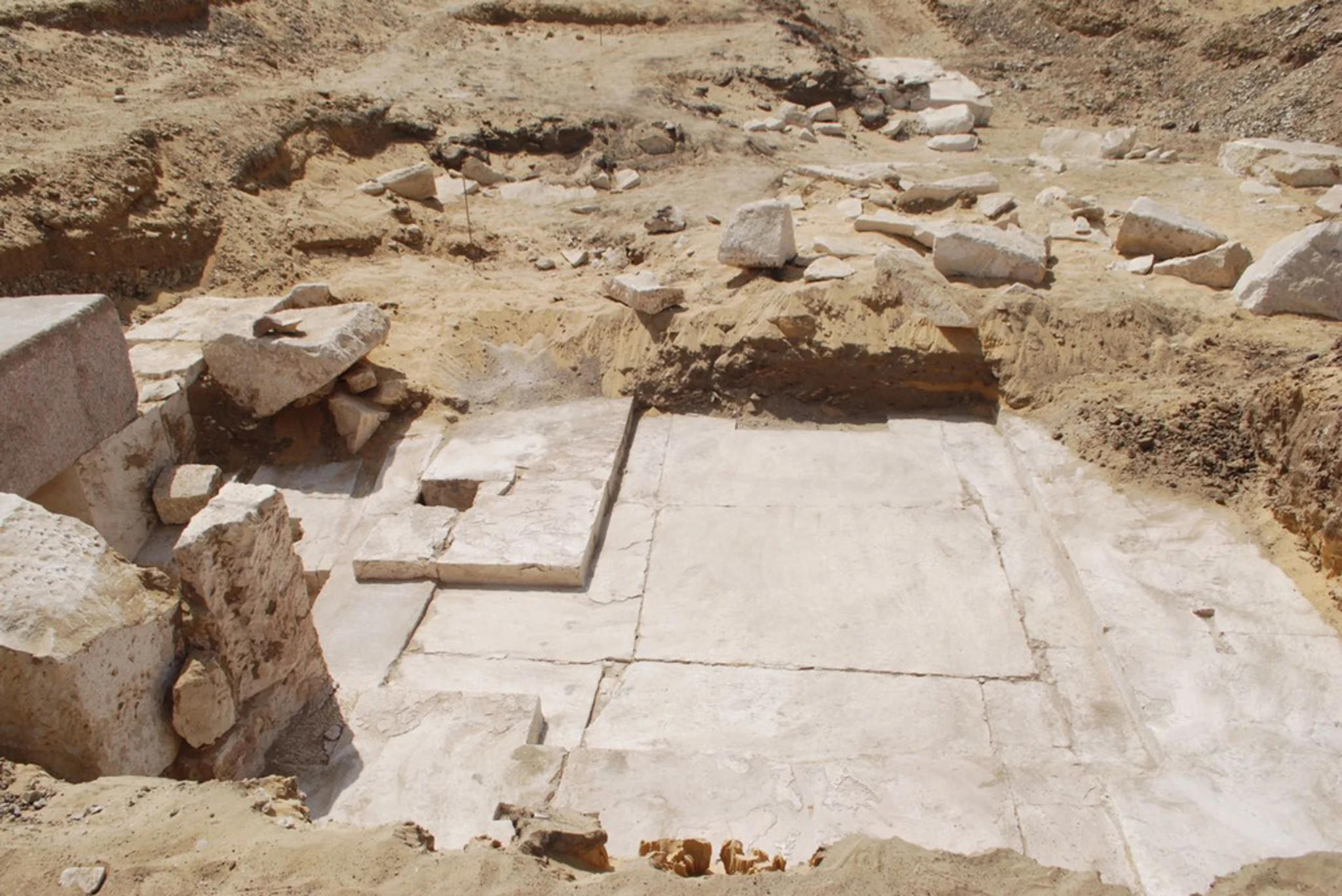
Photo: Egyptian Ministry of Antiquities
Enjoyed this article? Want to know more about ancient Egypt? Subscribe and have Nile Magazine delivered to your door. Enjoy your Nile time!